Space technology research, contracts and funding
Free, cited research on launch, satellites, in-space manufacturing and the lunar economy, built from contracts, grants, patents and papers.
Space Technology: the research
Much of the space economy is funded through public contracts and grants, which makes it unusually traceable in open records. KPsphere follows those awards alongside the papers, patents and company filings that show what is being built, who is building it and how far along it is.
Coverage includes reusable launch, satellite constellations, in-space manufacturing, space-based solar power, lunar exploration, the cislunar economy, space debris, space situational awareness, orbital habitats and asteroid mining.
The public reports below are AI-assisted research drawn from the databases shown here: AI models search those sources and draft the analysis from them, an automated check tests key claims against the same evidence, and key findings link to their sources. The AI is instructed to say where the evidence is thin.
Sources searched for this sector
- Papers, preprints and technical reports
- OpenAlex, arXiv, Semantic Scholar, CrossRef, DOAJ, DOE OSTI
- Funding awards
- NSF awards, USAspending.gov, Grants.gov, UKRI Gateway to Research, OpenAIRE
- Patents
- Google Patents, USPTO
- Company filings
- SEC EDGAR
- Code
- GitHub
Latest Space Technology research
The newest of 28 public research reports in this sector, each linked to the papers, patents and awards behind it.
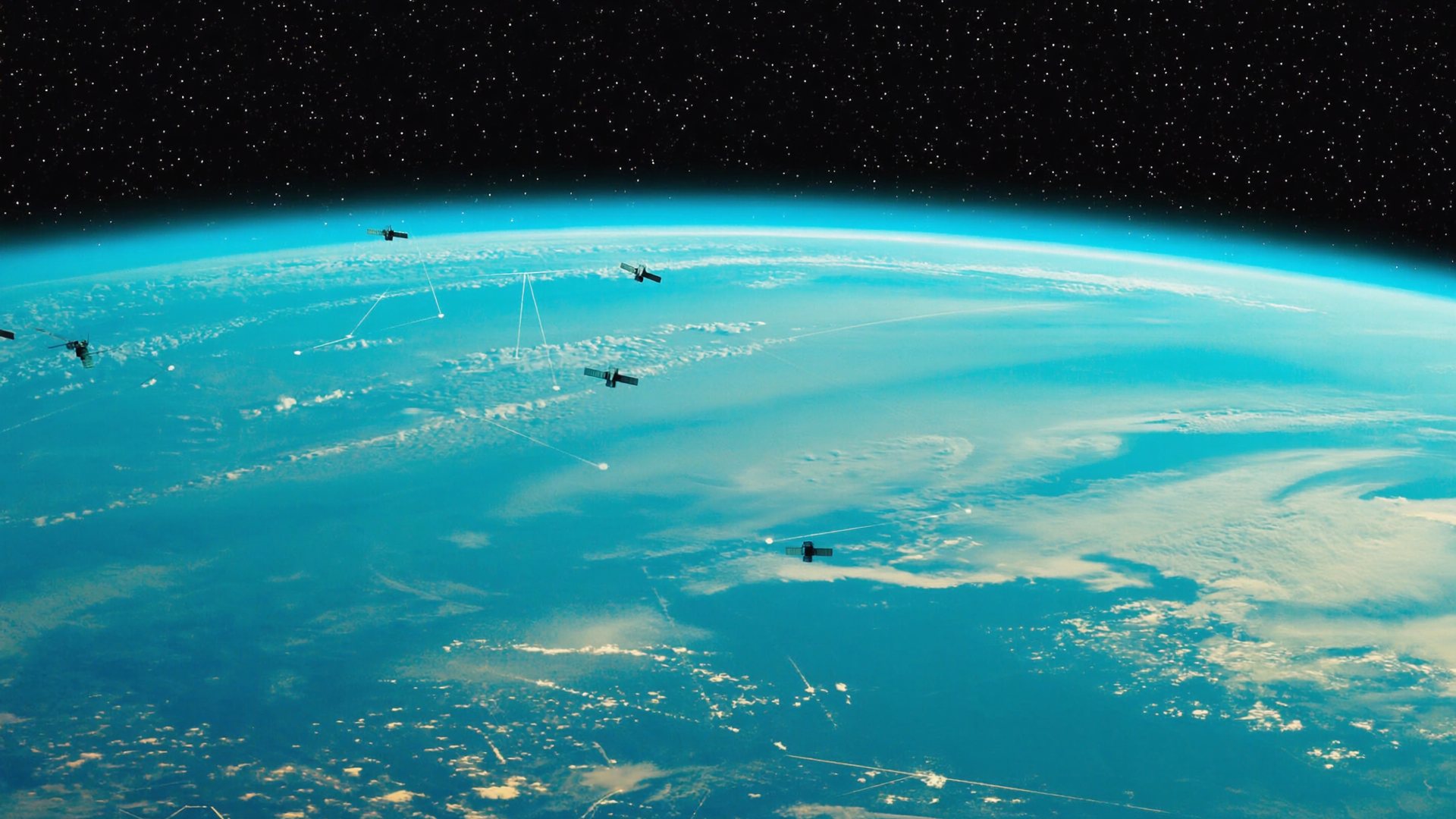
The robot that bakes Moon dust into a landing pad so rocket exhaust can't sandblast a lunar base
Among the retrieved records, the awards visibly aimed at lunar landing-pad construction or plume-driven soil erosion are a 2025 STTR ($899,630) and a 2010 contract…
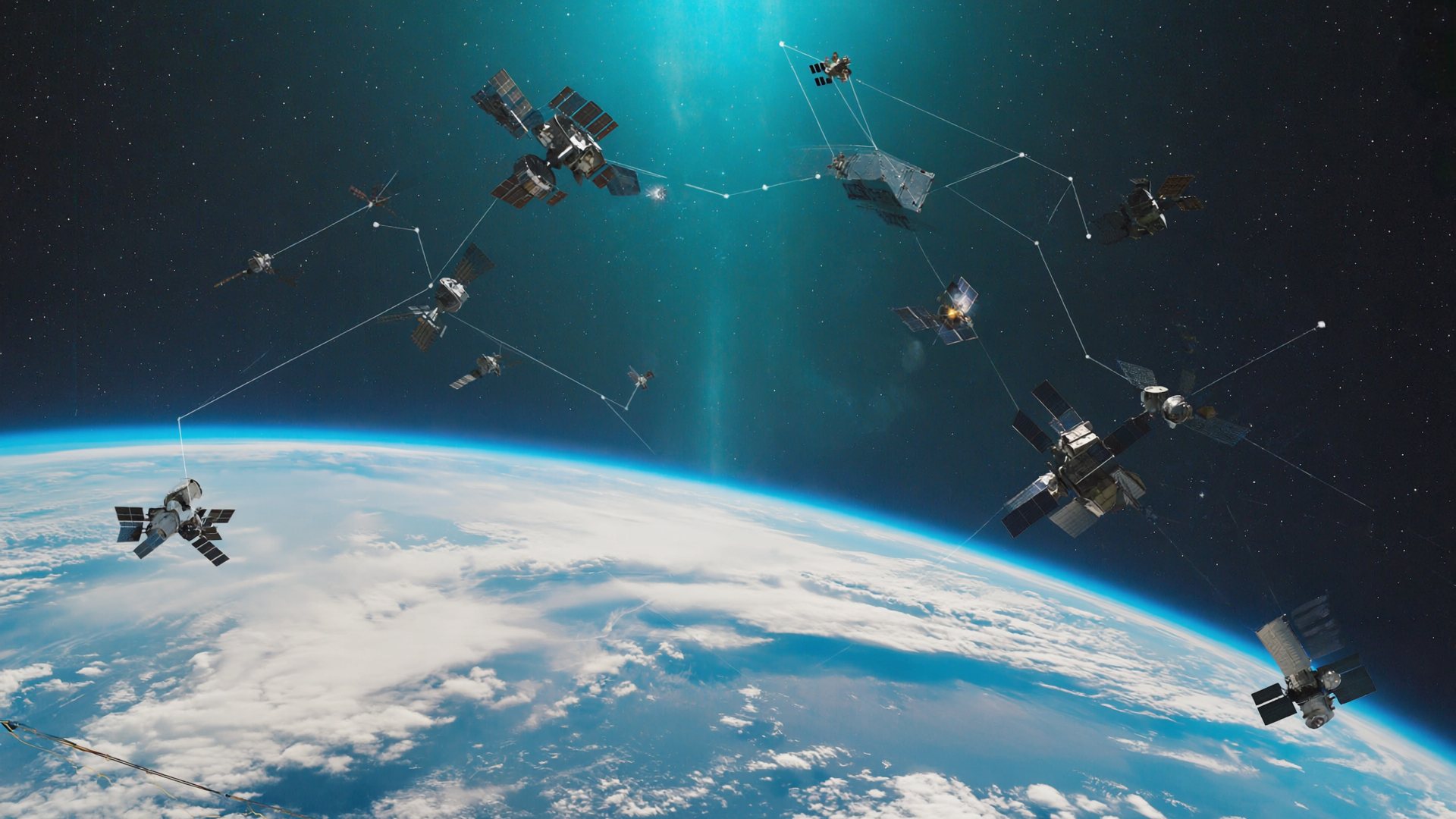
The fist-sized fuel port that lets a robotic tanker refill a military satellite in orbit
The retrieved records show one company, Orbit Fab, holding a priced, shipped and government-accepted standard refueling port for satellites.
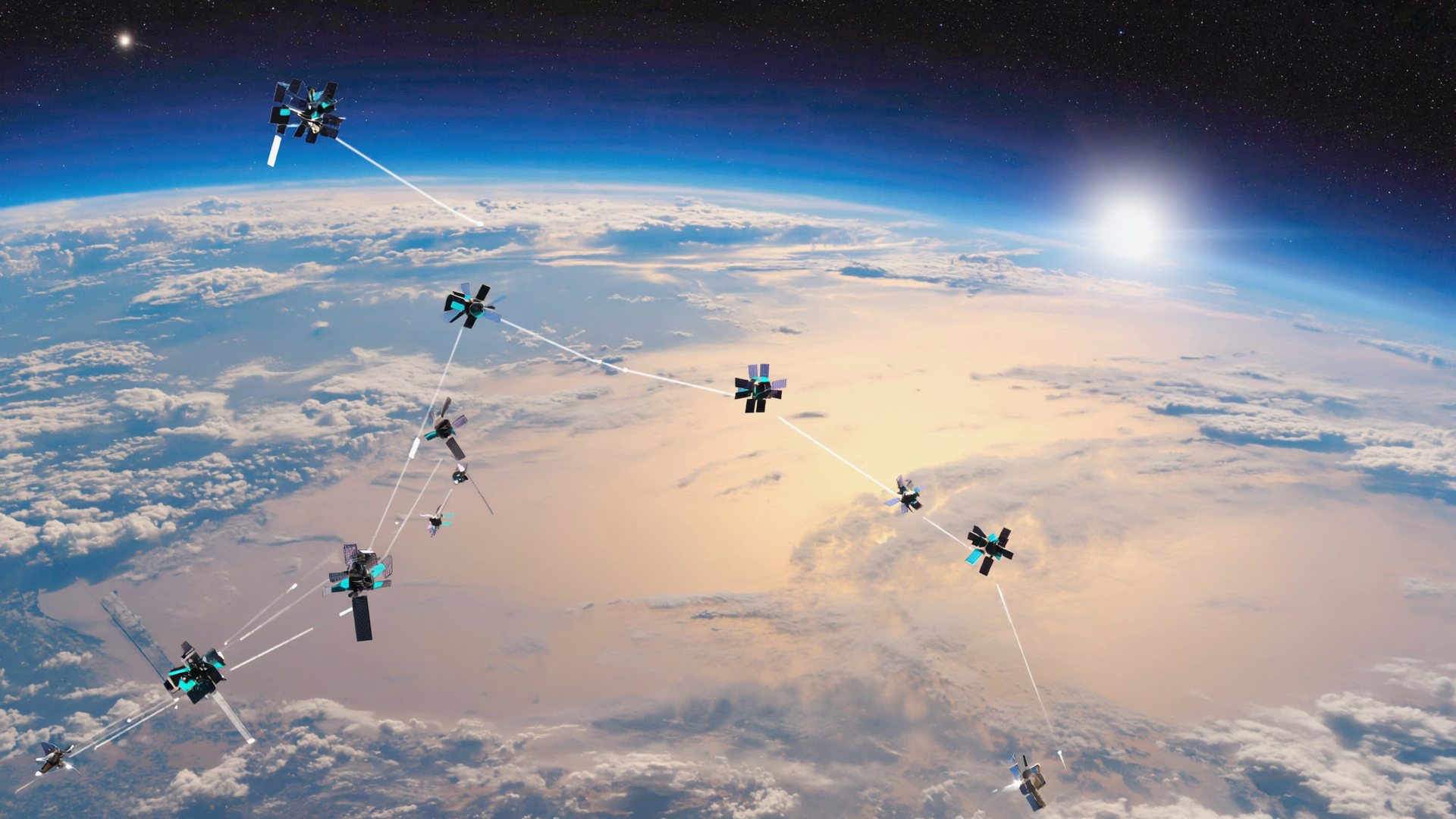
The microwave-sized furnace in orbit that grows ultra-pure semiconductor crystals in microgravity
Space Forge, a Cardiff-based startup, has powered a microwave-sized furnace aboard its ForgeStar-1 satellite in low Earth orbit (LEO).
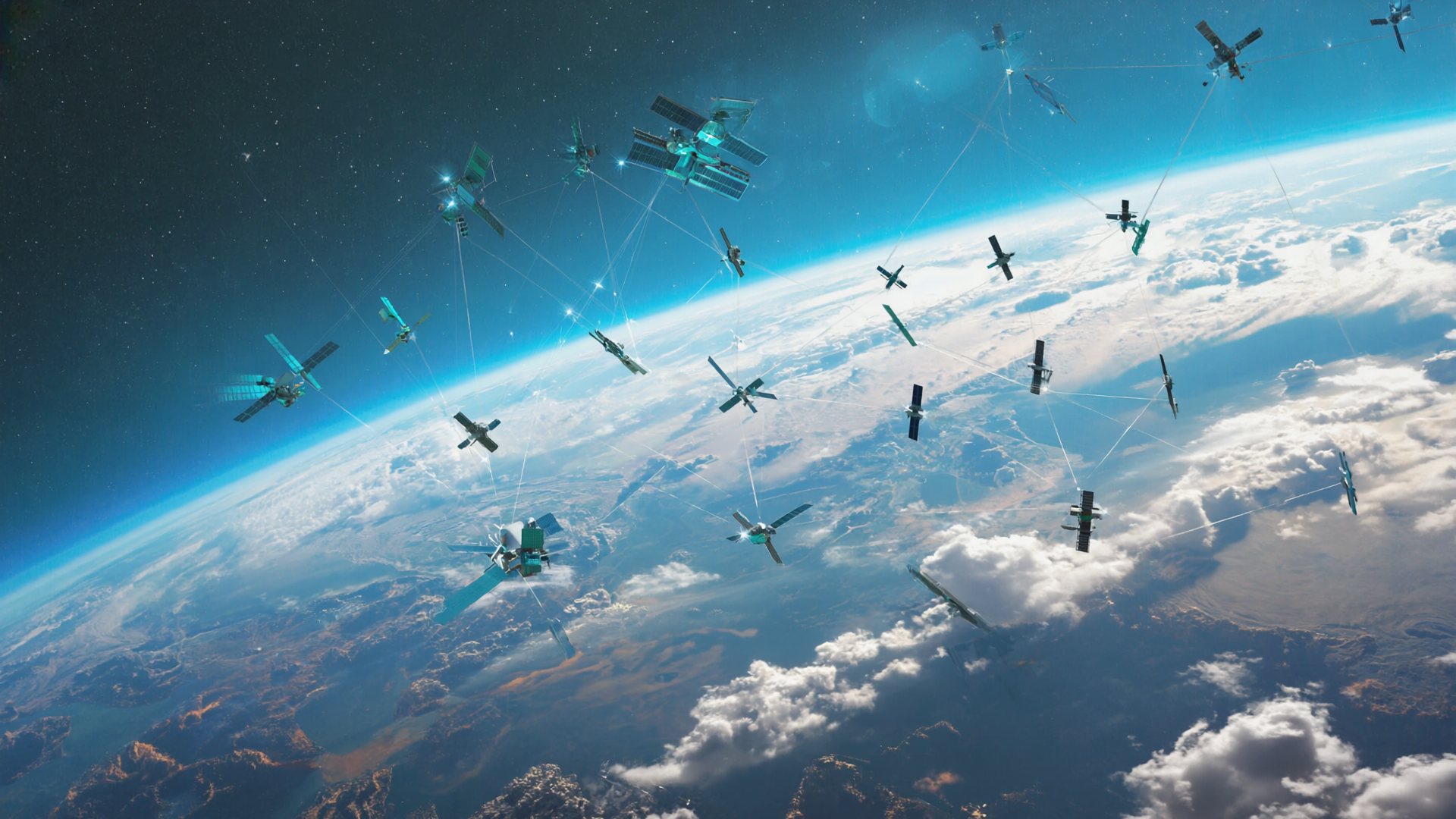
The woven fabric drum that holds a habitat's air: Kevlar softgoods burst-tested past 5x pressure
Full-scale woven softgoods habitat shells are now being burst-tested at multiples of their design pressure with metallic penetrations installed, which moves the…
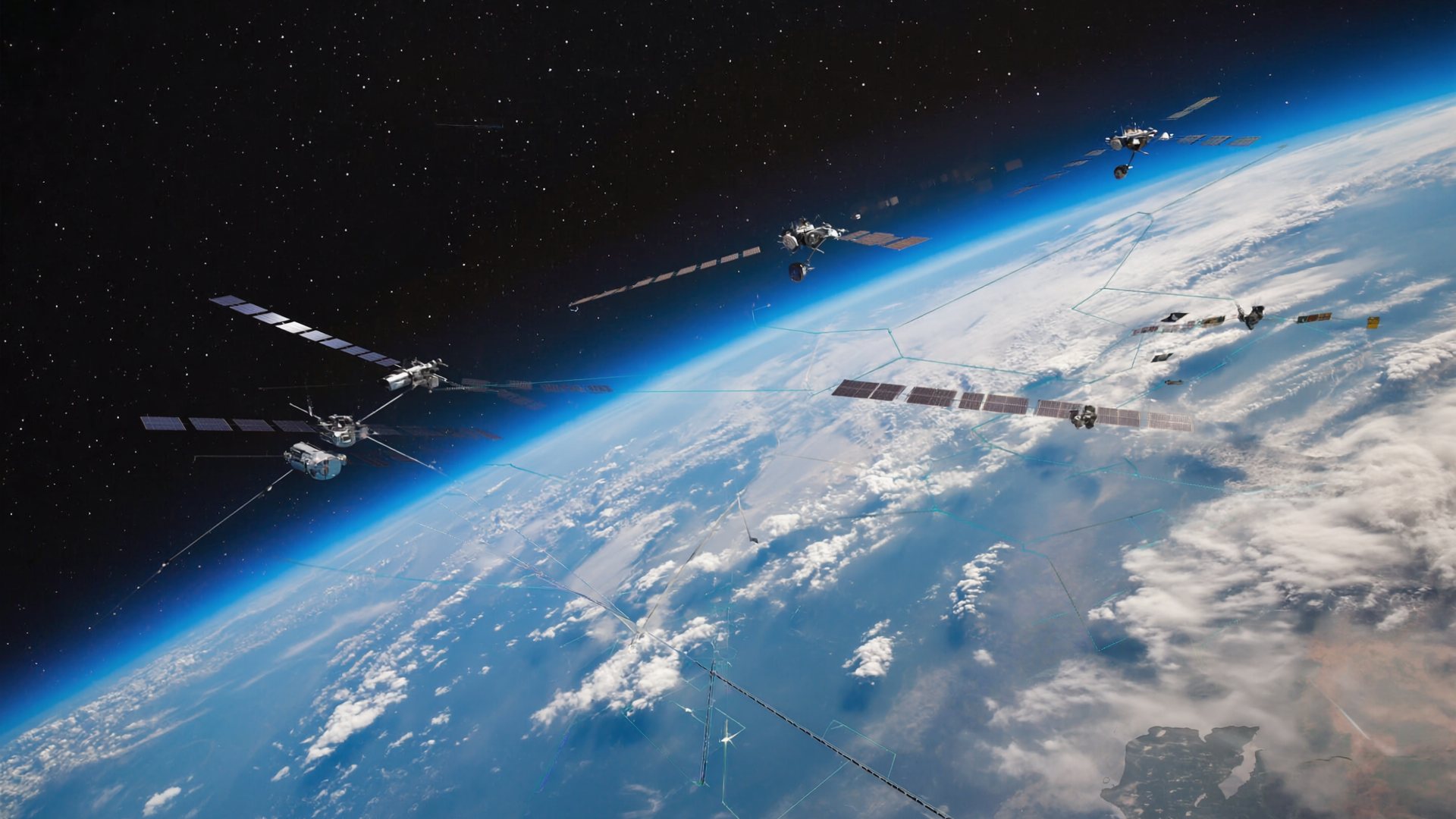
The Sintered Brick of Moon Dust That Fuses Under Concentrated Sunlight, No Kiln
Solar sintering of lunar regolith has quietly crossed from laboratory curiosity to flight-payload candidate, and the first in-situ demonstration will almost certainly be…
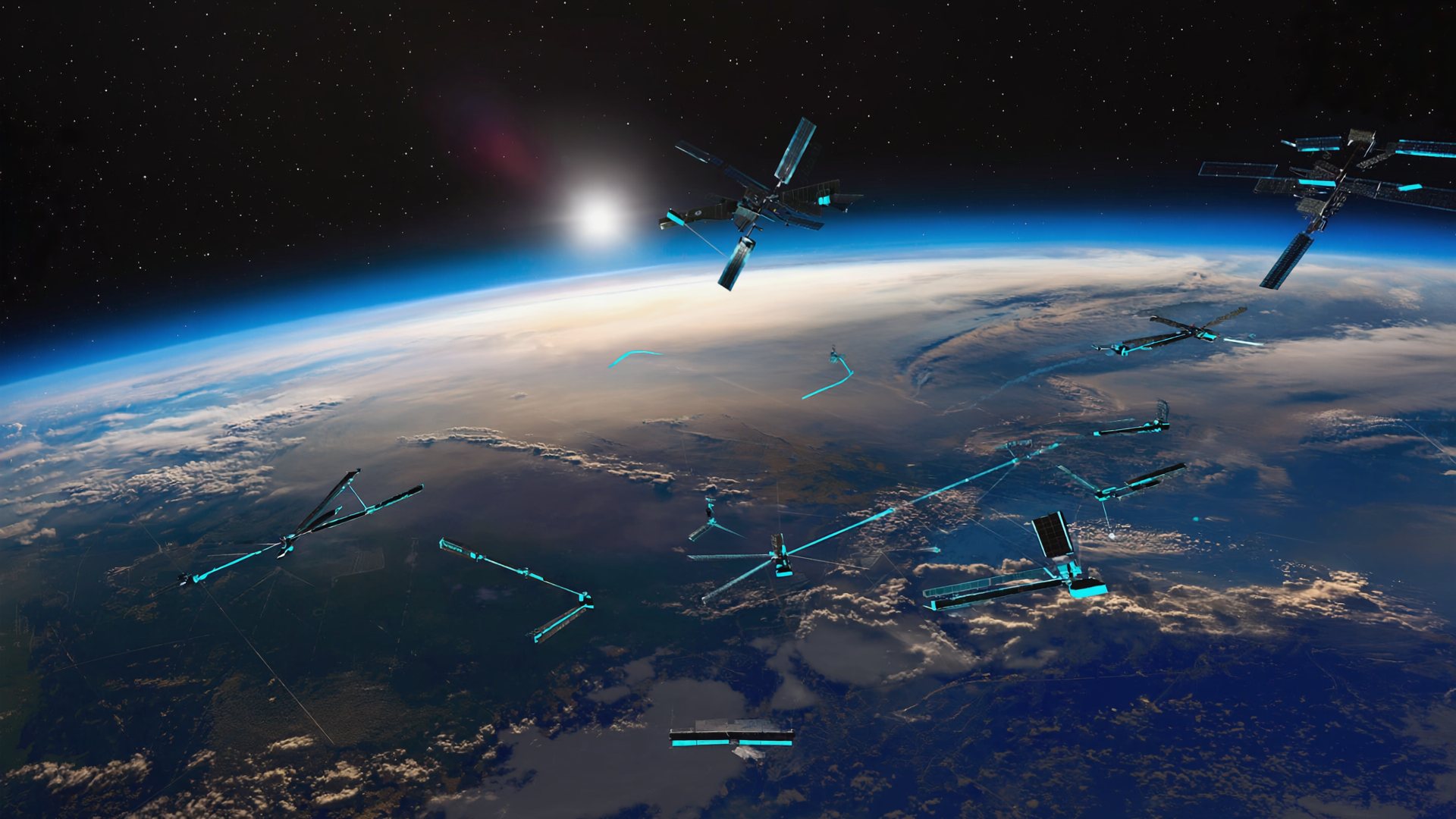
The Microspine Foot That Grips an Asteroid Made of Loose Gravel
Microspine anchoring — the technology that lets a robot foot grip fractured rock in microgravity — has been technically mature since roughly 2017, but it has never been…
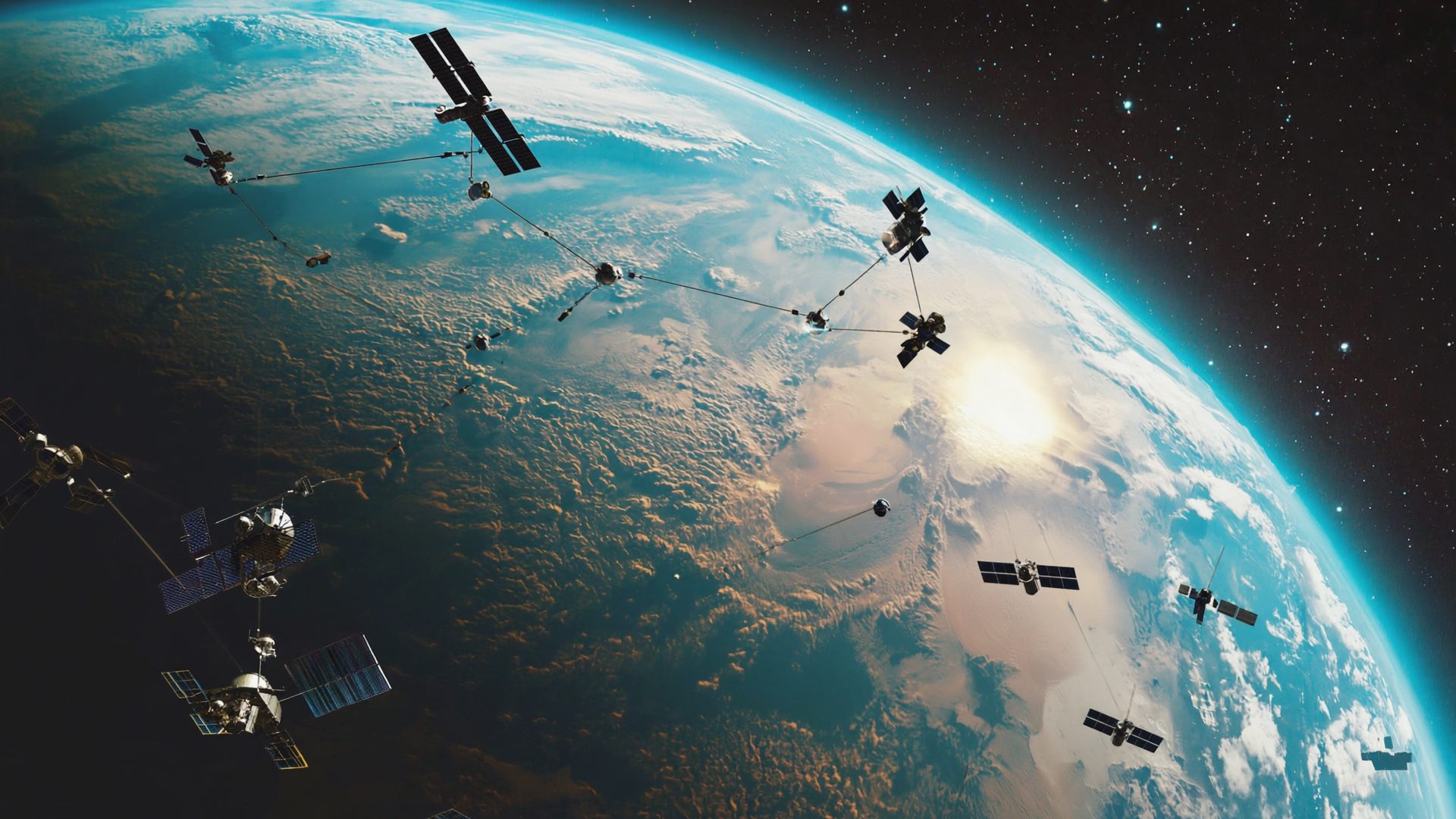
The Dead Star That Tells a Spacecraft Where It Is With No Signal From Earth
X-ray pulsar navigation (XNAV) has been demonstrated in orbit at kilometre-class accuracy by both NASA and China, but no one has yet built the thing that would make it…
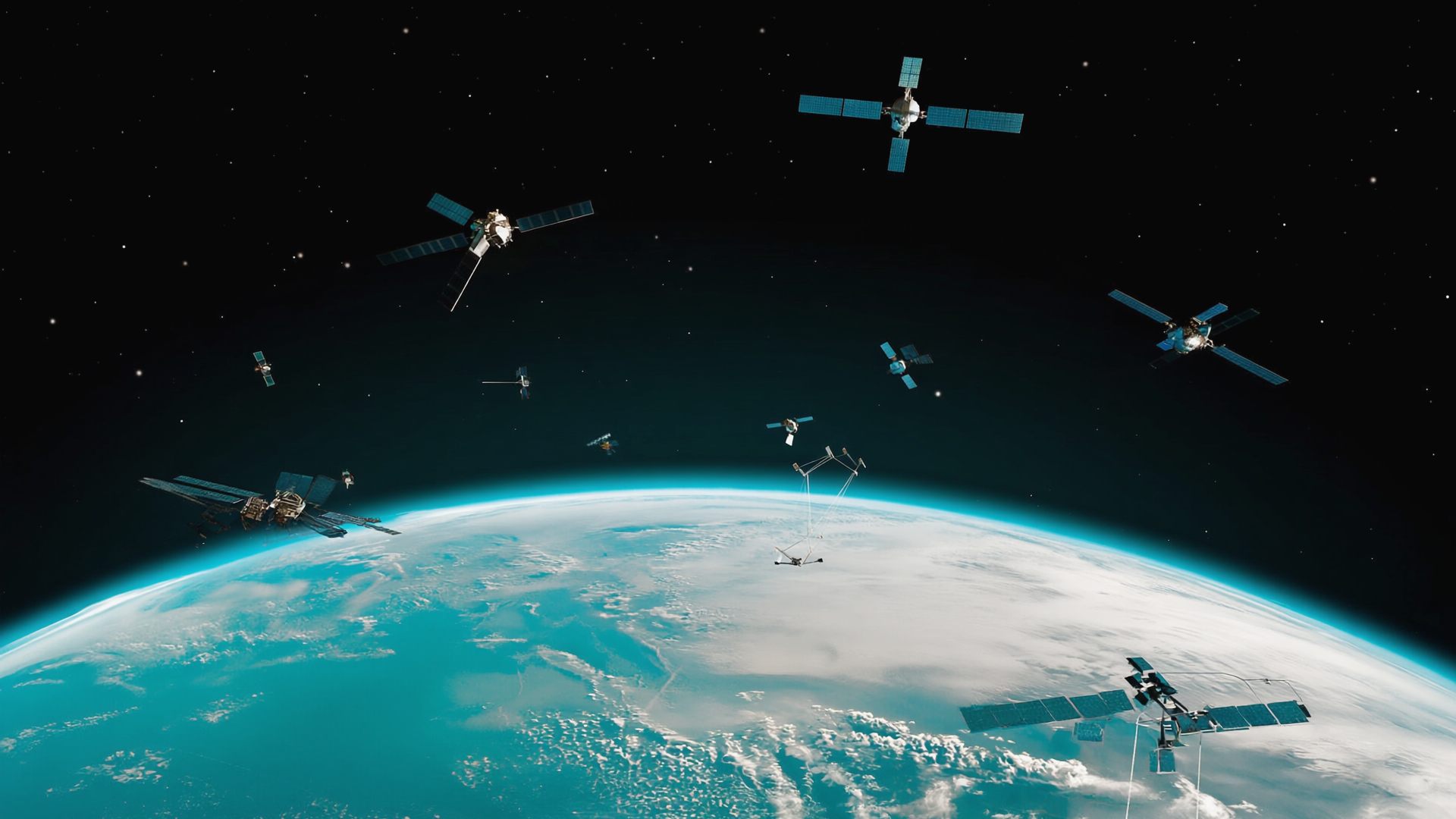
The Ceramic Bead Bed That Stores Sunlight as 1,000°C Sand to Power a Lunar Night
The single most important finding in this report is a discontinuity, not a breakthrough: the intellectual center of gravity for high-temperature particulate thermal…
The Glass Fiber That Can Only Be Pulled in Zero Gravity
The single most important finding of this report: the microgravity fiber industry has crossed from "physics demonstration" to "process engineering," but it has done so…
Recent daily briefings on Space Technology
- The rocket engine where a shockwave chases its own tail at 5x sound speed: rotating detonation engines
- The wooden satellite that burns up on reentry without seeding the stratosphere with metal ash
- The excavator that sifts 100 tons of Moon dirt an hour to harvest helium-3 for quantum fridges
- The electrodynamic dust shield: glass panels that flick lunar dust off with traveling electric waves
- The Electron Beam That Drags a Dead Satellite Without Touching It
- The Cold Weld That Fuses Two Metal Beams in Vacuum With No Heat at All
Open federal contracts and grants to browse
Open SAM.gov contract notices and Grants.gov opportunities, listed by agency and industry code. Each list covers its whole agency or code, not only Space Technology work, so check each official notice before acting. The lists are KPsphere AI ScoutBOT’s free public directory, refreshed nightly.
- NASA contract noticesSAM.gov
- NASA grantsGrants.gov
- Department of the Air Force contract noticesSAM.gov
- All open federal contract notices, by NAICS code, agency and set-asideSAM.gov
- All open federal grants, by agencyGrants.gov
Follow Space Technology in depth
The public reports above are free to read. A subscription adds research on Space Technology, not published on the site.
Sector Watch for Space Technology
- Four subscriber-only deep-research reports a month on your sector, plus a monthly sector landscape.
- Subscriber-only: this research is written for subscribers and is not published on the site.
- After payment you get an email with a link to choose your sector. Choose Space Technology.
Also available: Sector Watch + Custom Reports ($100 a month), Multi-Sector ($250 a month), Full Spectrum ($500 a month). Every plan is described in full on the plans page.
Compare plans
See a sample report first
A sample report, made for the plans page, is free to read in full, so you can judge the depth, the charts and the sourcing before paying for anything.
Space Technology research: common questions
Who is funding space technology research in 2026?
Public funding for space technology research is recorded in award databases, and those are the records KPsphere reads: NSF awards, federal grants and contracts on USAspending.gov and Grants.gov, UK Research and Innovation projects, and European projects in OpenAIRE. Where a report finds awards on its topic, it names them and links to the award record, so the funder and the amount can be checked at the source.
Where can I find SBIR and STTR awards for space technology?
SBIR and STTR awards are federal awards, so they appear in the federal award data KPsphere searches, including NSF award records and contracts and grants on USAspending.gov, when they match the topic a report is researching. KPsphere does not query SBIR.gov directly, so for a complete list of one agency's SBIR or STTR awards, SBIR.gov remains the primary source.
Which space technology startups are raising money?
Public-company activity shows up in SEC EDGAR filings (8-K, 10-K, 10-Q and S-1), and company work shows up in patent filings and federal contract awards. Private funding rounds are largely invisible to open databases, so deep-research reports add a web search for company announcements and keep a result only when it comes with a live source link.
What are the latest space technology breakthroughs?
The newest public Space Technology reports are listed on this page, newest first. The most recent item in this sector was published on Oct 14, 2026. Key findings in each one link to their sources (recent papers and preprints, patents, awards and filings), so a claimed breakthrough can be checked against the published result.
What does KPsphere cover in Space Technology?
Coverage includes reusable launch, satellite constellations, in-space manufacturing, space-based solar power, lunar exploration, the cislunar economy, space debris, space situational awareness, orbital habitats and asteroid mining. The research is AI-assisted: AI models search those sources and draft the analysis from them, an automated check tests key claims against the same evidence, and key findings link to their sources.
Is KPsphere's space technology research free?
Yes. Every report listed on this page is free to read, and so is the daily briefing, one email each morning rotating across all twelve sectors, Space Technology among them. The paid Sector Watch plan, $50 a month, adds subscriber-only research on one sector you choose: Four subscriber-only deep-research reports a month on your sector, plus a monthly sector landscape.
All twelve sectors
The same research, one field at a time.
AI & Machine Learning
Model architectures, training methods, inference hardware, AI safety research
28 research reportsQuantum Computing
Qubit platforms, error correction, quantum networking, post-quantum cryptography
29 research reportsBiotechnology
Gene editing, synthetic biology, protein design, biomanufacturing
31 research reportsAdvanced Energy
Batteries, grid storage, fusion, solar, nuclear, hydrogen
28 research reportsSpace Technology
Launch systems, satellites, propulsion, in-orbit manufacturing
32 research reportsCybersecurity
Offensive and defensive tooling, cryptography, critical-infrastructure security
29 research reportsRobotics
Autonomy, manipulation, humanoids, drones, industrial automation
30 research reportsAdvanced Materials
Metamaterials, superconductors, composites, coatings, nanomaterials
28 research reportsNext-Gen Communications
6G, optical networking, satellite comms, spectrum and antennas
30 research reportsNeurotechnology
Brain-computer interfaces, neural implants, neuroimaging, neuromodulation
27 research reportsClimate Technology
Carbon capture, climate modelling, adaptation tech, sustainable materials
27 research reportsSemiconductors & Photonics
Chip fabrication, photonics, packaging, lithography, novel architectures
The daily briefing, in your inbox
One email each morning on a single development in emerging technology, rotating across all twelve sectors, Space Technology among them, with the paper, patent or funding award behind it linked. No card, no trial, and one click to unsubscribe.