AI and machine learning research, funding and breakthroughs
Free, cited research on where artificial intelligence is actually moving: the papers, patents and funded awards behind foundation models, AI safety, edge AI and autonomous agents.
AI & Machine Learning: the research
Artificial intelligence produces more announcements than any other field we cover, and most of them are not evidence. KPsphere follows the record underneath the announcements: new papers and preprints on model architectures and training methods, patent filings on inference hardware and applied systems, federal grant and contract awards for AI research, and company filings that show where money is going.
Coverage includes foundation models, large language models, multimodal AI, federated learning, edge AI, neuromorphic computing, AI safety and alignment, autonomous agents, computer vision and reinforcement learning.
The public reports below are AI-assisted research drawn from the databases shown here: AI models search those sources and draft the analysis from them, an automated check tests key claims against the same evidence, and key findings link to their sources. The AI is instructed to say where the evidence is thin.
Sources searched for this sector
- Papers, preprints and technical reports
- OpenAlex, arXiv, Semantic Scholar, CrossRef, DOAJ, DOE OSTI
- Funding awards
- NSF awards, USAspending.gov, Grants.gov, UKRI Gateway to Research, OpenAIRE
- Patents
- Google Patents, USPTO
- Company filings
- SEC EDGAR
- Code
- GitHub
Latest AI & Machine Learning research
The newest of 36 public research reports in this sector, each linked to the papers, patents and awards behind it.
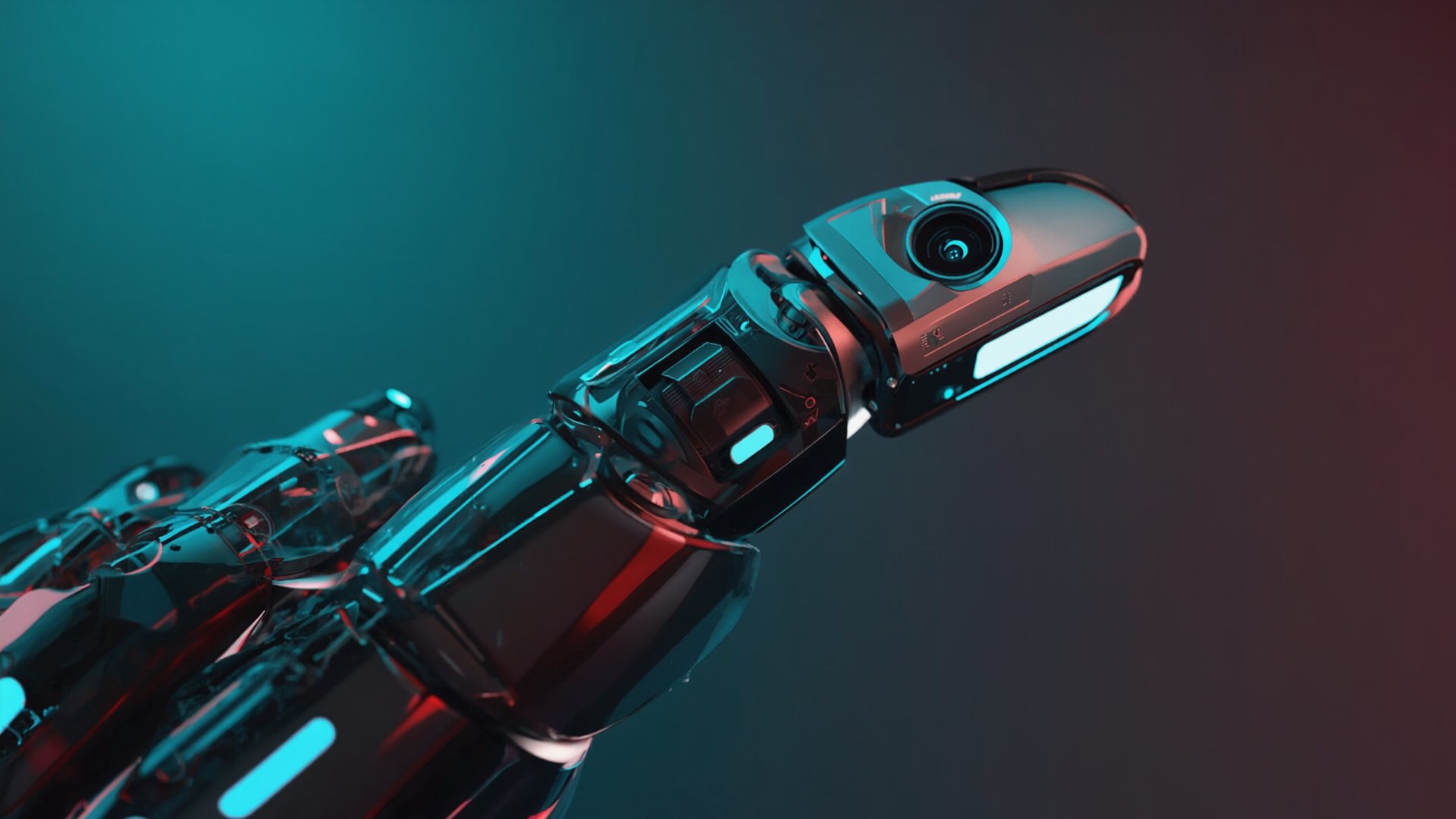
The robot fingertip with a camera inside that feels texture and slip: vision-based tactile sensors for AI hands
Camera-based robot fingertips that sense texture and slip are no longer only laboratory instruments.
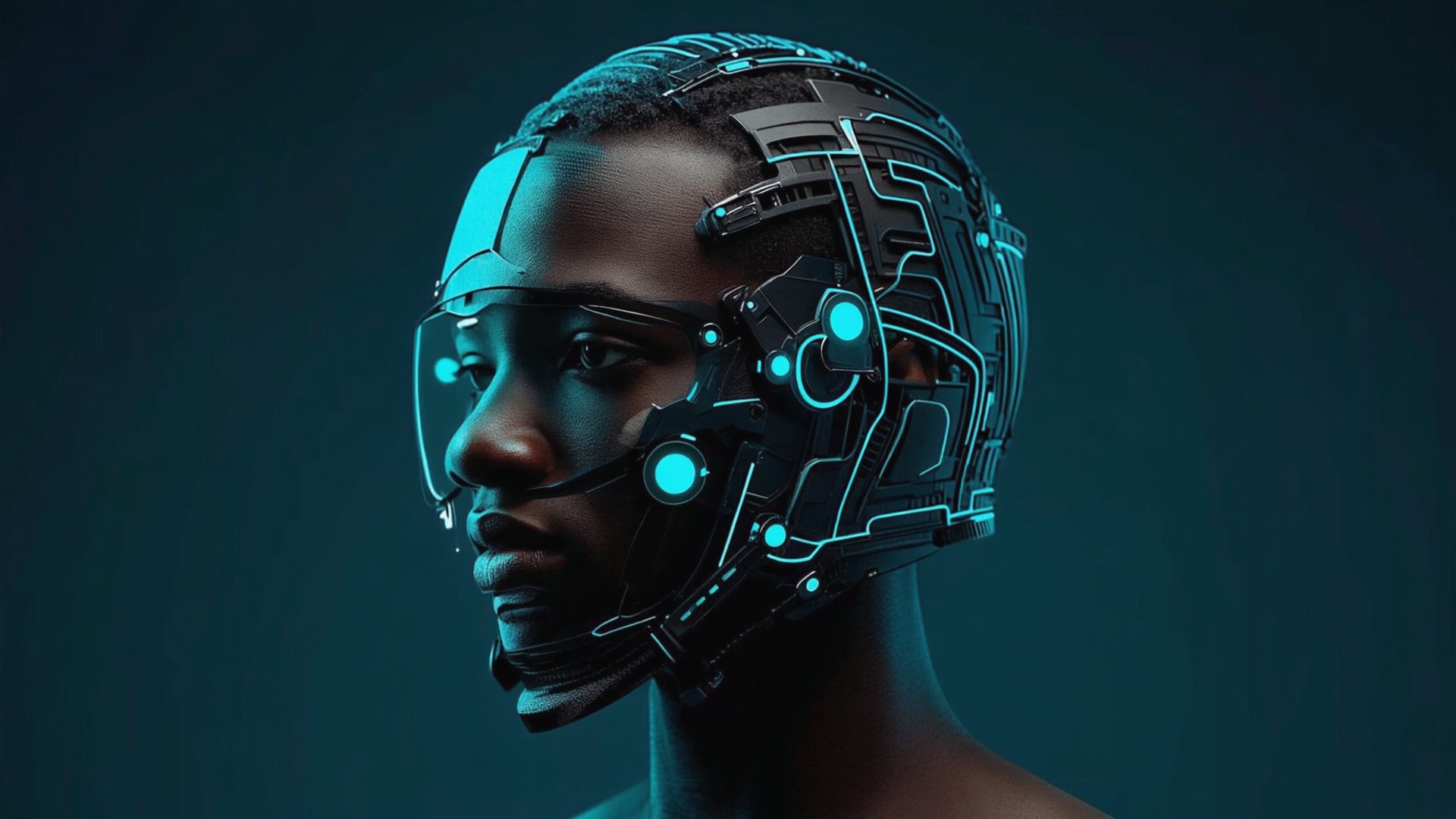
The wearable magnet-sensor helmet whose AI redraws the images you see, millisecond by millisecond
The wearable helmet now exists as a research instrument, but the image-redrawing AI does not yet exist on it.
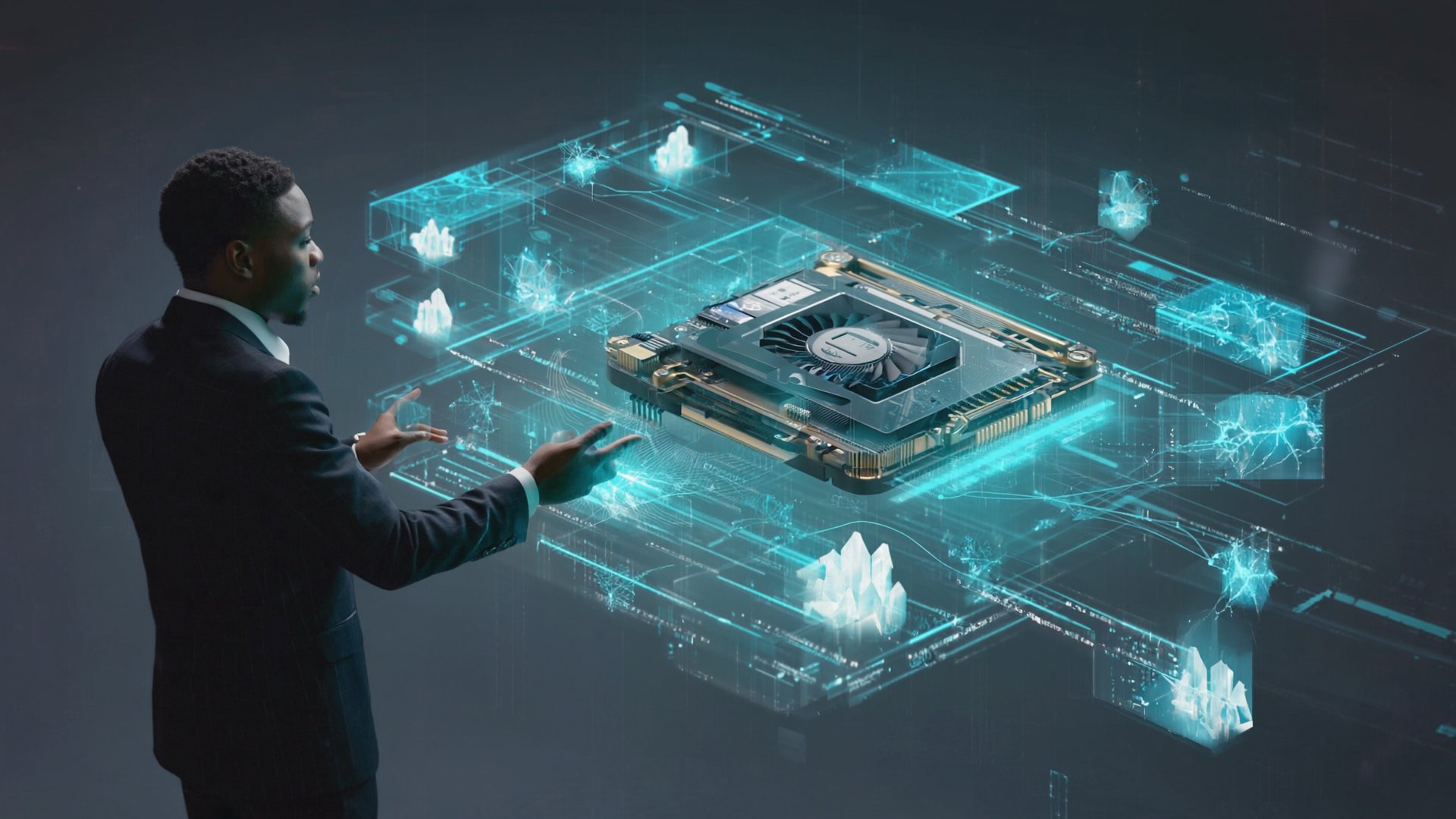
The GPU that stores game textures as tiny neural networks: neural texture compression cutting VRAM use
Neural texture compression (NTC) replaces conventional block-compressed game textures with small learned networks that are decoded on the GPU at the moment a pixel is…
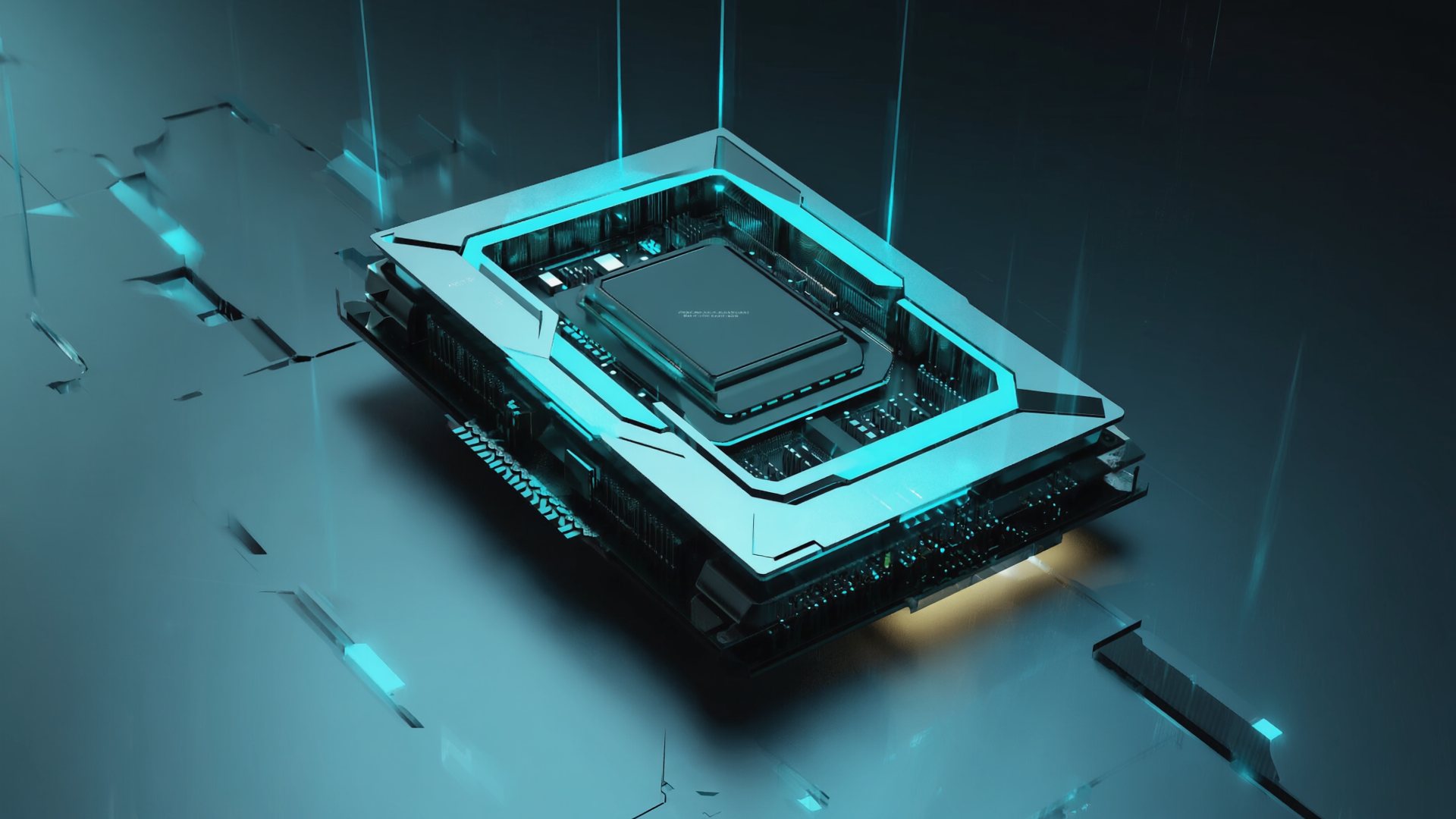
The GPU that proves where it is: latency-based location verification chips to enforce AI export controls
Latency-based location verification can already be delivered on shipping AI accelerators through firmware and software, without new silicon.
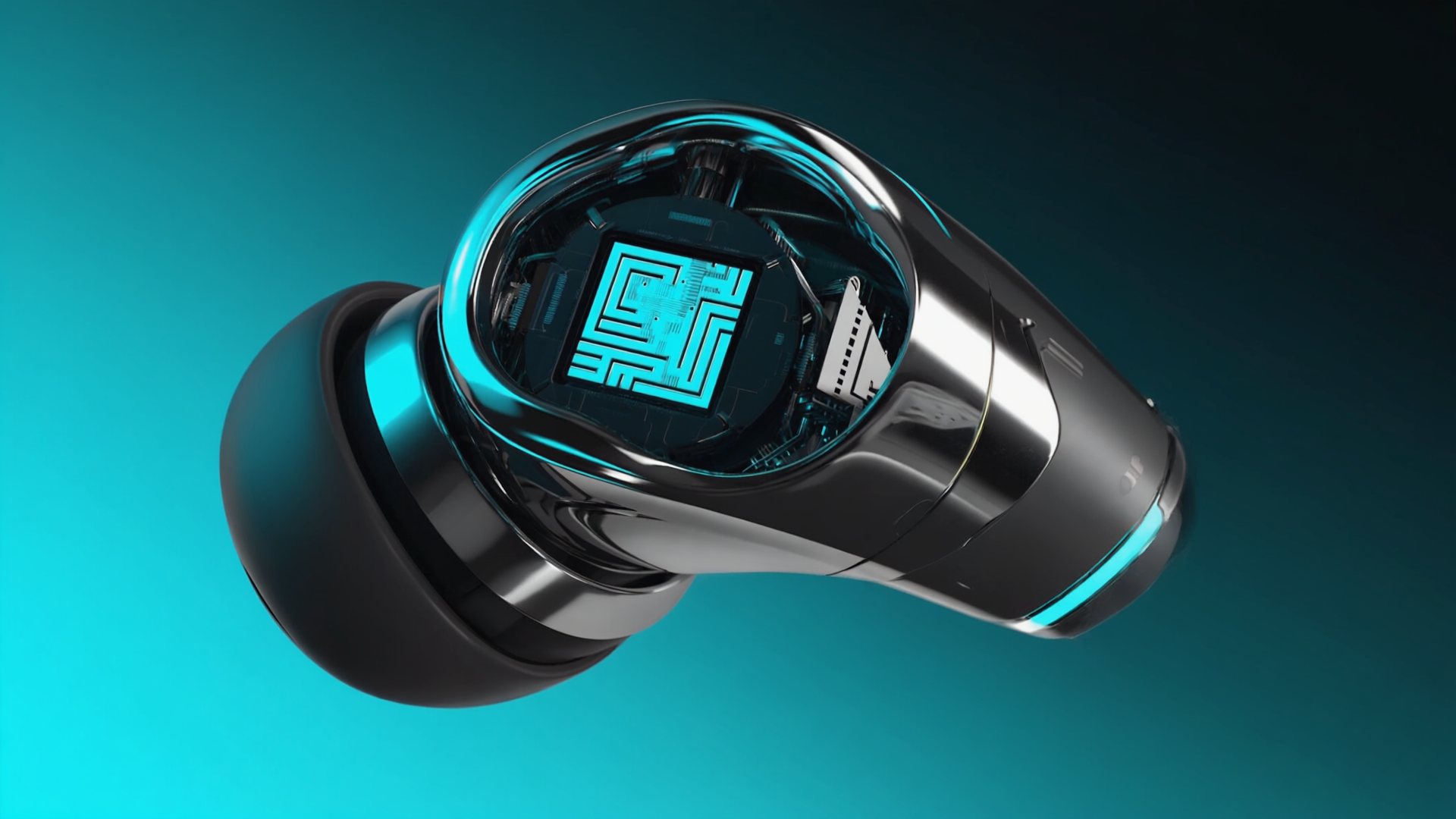
The earbud chip that separates one voice from a crowd in under 10 milliseconds, on 1 milliwatt
The technical problem of separating one talker from a crowd in real time is solved in the research literature and partially solved in shipping products, but the…

The Glass Chip Where Light Trains a Neural Net Without Any Electricity
The premise in the title is half true, and the half that is false is the commercially important half.

The Reservoir of Slosh Inside a Chip That Remembers Sound Without Being Trained
A class of sensor is emerging that performs the first layer of signal classification inside the transducer itself, using the physical dynamics of a moving mass, an ionic…
The chip that computes with thermal noise instead of fighting it
Thermodynamic and probabilistic computing has crossed from physics demonstration into silicon product engineering, and it did so faster than the 2023 consensus expected.

The Deleted Knowledge That Comes Back After 10 Examples
Machine unlearning — the family of techniques used to remove specific data, capabilities or copyrighted content from a trained model without retraining it — does not…
Recent daily briefings on AI & Machine Learning
- The wristband that reads muscle signals so you can control AI glasses with tiny finger twitches
- The drone that flies itself on a brain-like chip fed by a camera that sees only motion
- The handheld camera gripper that records human hands to train robot foundation models, no robot needed
- The Salt Crystal in a Chip That Remembers a Model's Weights After the Power Dies
- The Analog Chip That Encrypts a Model's Weights Inside the Noise of Its Own Transistors
- The Single Photon That Carries a Weight Update Between Two AI Chips
Open federal contracts and grants to browse
Open SAM.gov contract notices and Grants.gov opportunities, listed by agency and industry code. Each list covers its whole agency or code, not only AI & Machine Learning work, so check each official notice before acting. The lists are KPsphere AI ScoutBOT’s free public directory, refreshed nightly.
Follow AI & Machine Learning in depth
The public reports above are free to read. A subscription adds research on AI & Machine Learning, not published on the site.
Sector Watch for AI & Machine Learning
- Four subscriber-only deep-research reports a month on your sector, plus a monthly sector landscape.
- Subscriber-only: this research is written for subscribers and is not published on the site.
- After payment you get an email with a link to choose your sector. Choose AI & Machine Learning.
Also available: Sector Watch + Custom Reports ($100 a month), Multi-Sector ($250 a month), Full Spectrum ($500 a month). Every plan is described in full on the plans page.
Compare plans
See a sample report first
A sample report, made for the plans page, is free to read in full, so you can judge the depth, the charts and the sourcing before paying for anything.
AI & Machine Learning research: common questions
Who is funding AI research in 2026?
Public funding for AI research is recorded in award databases, and those are the records KPsphere reads: NSF awards, federal grants and contracts on USAspending.gov and Grants.gov, UK Research and Innovation projects, and European projects in OpenAIRE. Where a report finds awards on its topic, it names them and links to the award record, so the funder and the amount can be checked at the source.
Where can I find SBIR and STTR awards for AI?
SBIR and STTR awards are federal awards, so they appear in the federal award data KPsphere searches, including NSF award records and contracts and grants on USAspending.gov, when they match the topic a report is researching. KPsphere does not query SBIR.gov directly, so for a complete list of one agency's SBIR or STTR awards, SBIR.gov remains the primary source.
Which AI startups are raising money?
Public-company activity shows up in SEC EDGAR filings (8-K, 10-K, 10-Q and S-1), and company work shows up in patent filings and federal contract awards. Private funding rounds are largely invisible to open databases, so deep-research reports add a web search for company announcements and keep a result only when it comes with a live source link.
What are the latest AI breakthroughs?
The newest public AI & Machine Learning reports are listed on this page, newest first. The most recent item in this sector was published on Oct 10, 2026. Key findings in each one link to their sources (recent papers and preprints, patents, awards and filings), so a claimed breakthrough can be checked against the published result.
What does KPsphere cover in AI & Machine Learning?
Coverage includes foundation models, large language models, multimodal AI, federated learning, edge AI, neuromorphic computing, AI safety and alignment, autonomous agents, computer vision and reinforcement learning. The research is AI-assisted: AI models search those sources and draft the analysis from them, an automated check tests key claims against the same evidence, and key findings link to their sources.
Is KPsphere's AI research free?
Yes. Every report listed on this page is free to read, and so is the daily briefing, one email each morning rotating across all twelve sectors, AI & Machine Learning among them. The paid Sector Watch plan, $50 a month, adds subscriber-only research on one sector you choose: Four subscriber-only deep-research reports a month on your sector, plus a monthly sector landscape.
All twelve sectors
The same research, one field at a time.
AI & Machine Learning
Model architectures, training methods, inference hardware, AI safety research
28 research reportsQuantum Computing
Qubit platforms, error correction, quantum networking, post-quantum cryptography
29 research reportsBiotechnology
Gene editing, synthetic biology, protein design, biomanufacturing
31 research reportsAdvanced Energy
Batteries, grid storage, fusion, solar, nuclear, hydrogen
28 research reportsSpace Technology
Launch systems, satellites, propulsion, in-orbit manufacturing
32 research reportsCybersecurity
Offensive and defensive tooling, cryptography, critical-infrastructure security
29 research reportsRobotics
Autonomy, manipulation, humanoids, drones, industrial automation
30 research reportsAdvanced Materials
Metamaterials, superconductors, composites, coatings, nanomaterials
28 research reportsNext-Gen Communications
6G, optical networking, satellite comms, spectrum and antennas
30 research reportsNeurotechnology
Brain-computer interfaces, neural implants, neuroimaging, neuromodulation
27 research reportsClimate Technology
Carbon capture, climate modelling, adaptation tech, sustainable materials
27 research reportsSemiconductors & Photonics
Chip fabrication, photonics, packaging, lithography, novel architectures
The daily briefing, in your inbox
One email each morning on a single development in emerging technology, rotating across all twelve sectors, AI & Machine Learning among them, with the paper, patent or funding award behind it linked. No card, no trial, and one click to unsubscribe.