Neurotechnology and brain-computer interface research and funding
Free, cited research on brain-computer interfaces, neural implants and neuromodulation, from NIH awards and clinical trials to papers and patents.
Neurotechnology: the research
Neurotechnology moves between the lab and the clinic, so the evidence is spread across neuroscience papers, NIH-funded research, clinical trial registrations, FDA device records and patents. KPsphere reads across all of them, so a report can show whether a device is a lab prototype, in a registered trial, or cleared for use.
Coverage includes brain-computer interfaces, implanted and non-invasive, neural implants, neuroprosthetics, neurostimulation, closed-loop neuromodulation, brain mapping, neural decoding, EEG, optogenetics and brain organoids.
The public reports below are AI-assisted research drawn from the databases shown here: AI models search those sources and draft the analysis from them, an automated check tests key claims against the same evidence, and key findings link to their sources. The AI is instructed to say where the evidence is thin.
Sources searched for this sector
- Papers, preprints and technical reports
- OpenAlex, arXiv, Semantic Scholar, CrossRef, DOAJ, DOE OSTI, PubMed, Europe PMC, bioRxiv
- Funding awards
- NSF awards, USAspending.gov, Grants.gov, UKRI Gateway to Research, OpenAIRE, NIH RePORTER
- Patents
- Google Patents, USPTO
- Company filings
- SEC EDGAR
- Clinical and regulatory
- ClinicalTrials.gov, openFDA
- Code
- GitHub
Latest Neurotechnology research
The newest of 30 public research reports in this sector, each linked to the papers, patents and awards behind it.
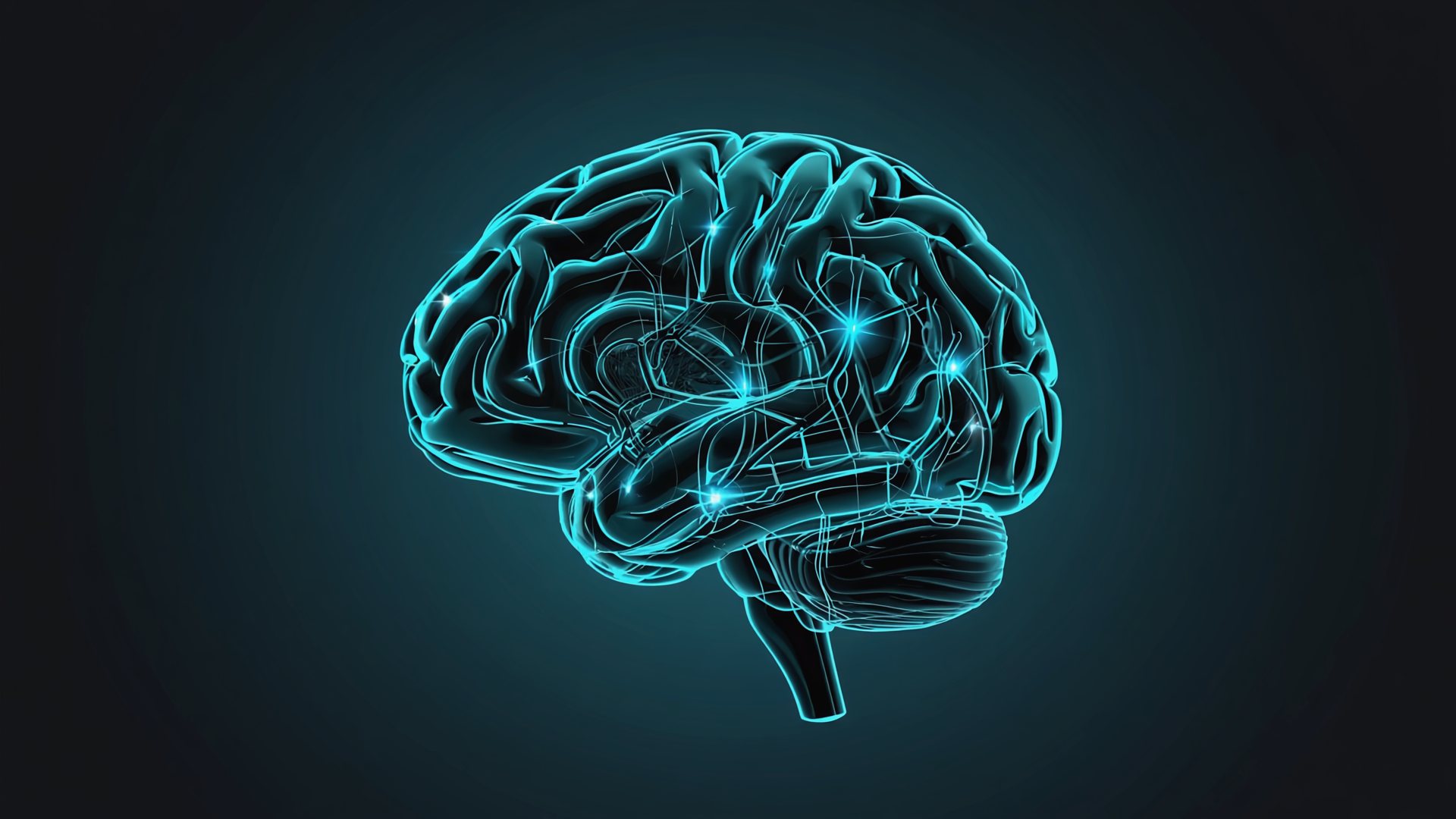
The pill-sized vagus nerve implant that tells the immune system to stop attacking arthritic joints
The first implanted vagus nerve stimulator for rheumatoid arthritis (RA) has moved from academic hypothesis to a commercial product.
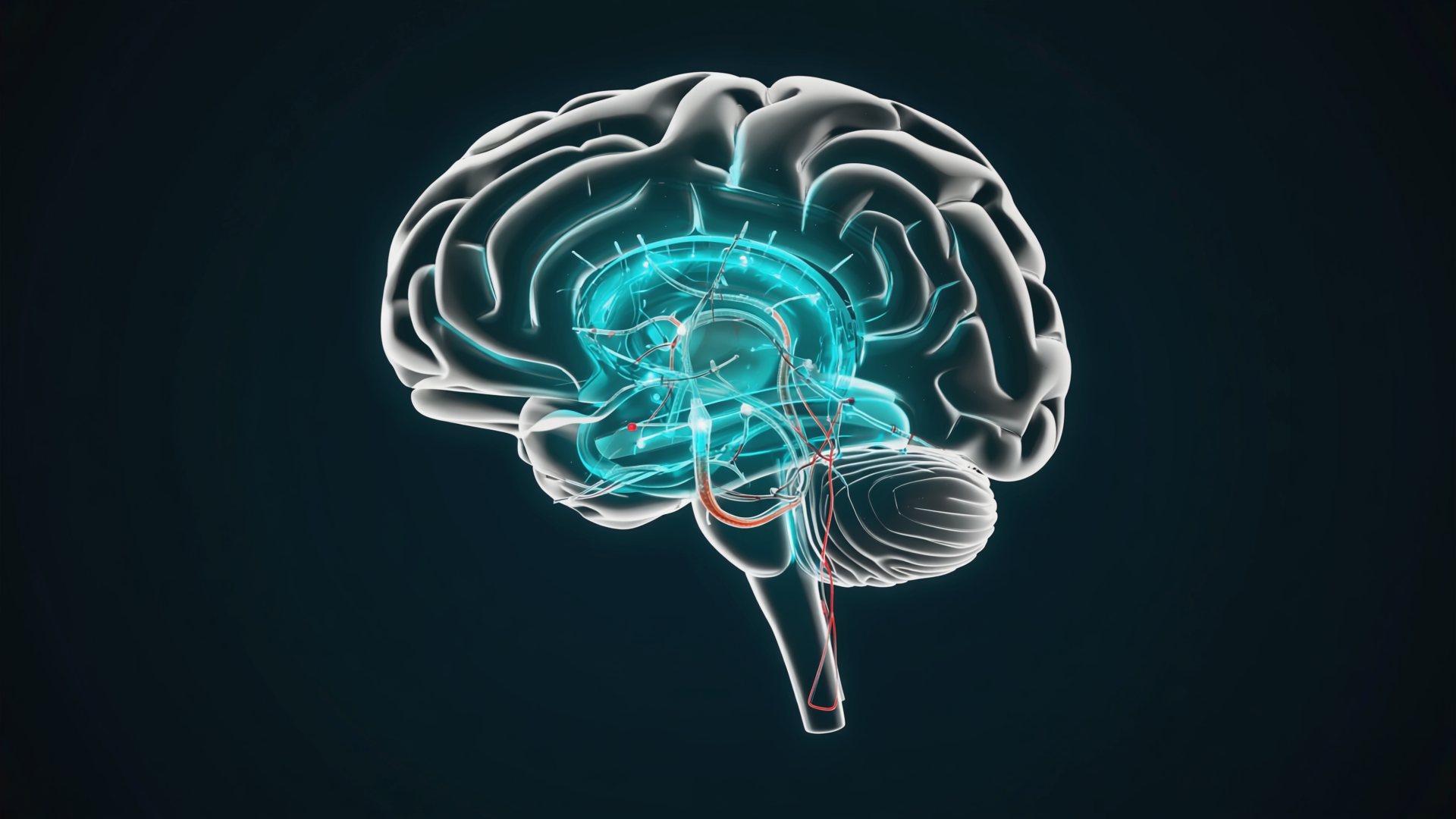
The stent threaded up a neck vein that lets a paralyzed person control a computer with thoughts, no open skull
The Stentrode, an electrode-studded stent delivered through the jugular vein into a large vein over the brain's motor cortex, is the only brain-computer interface (BCI)…
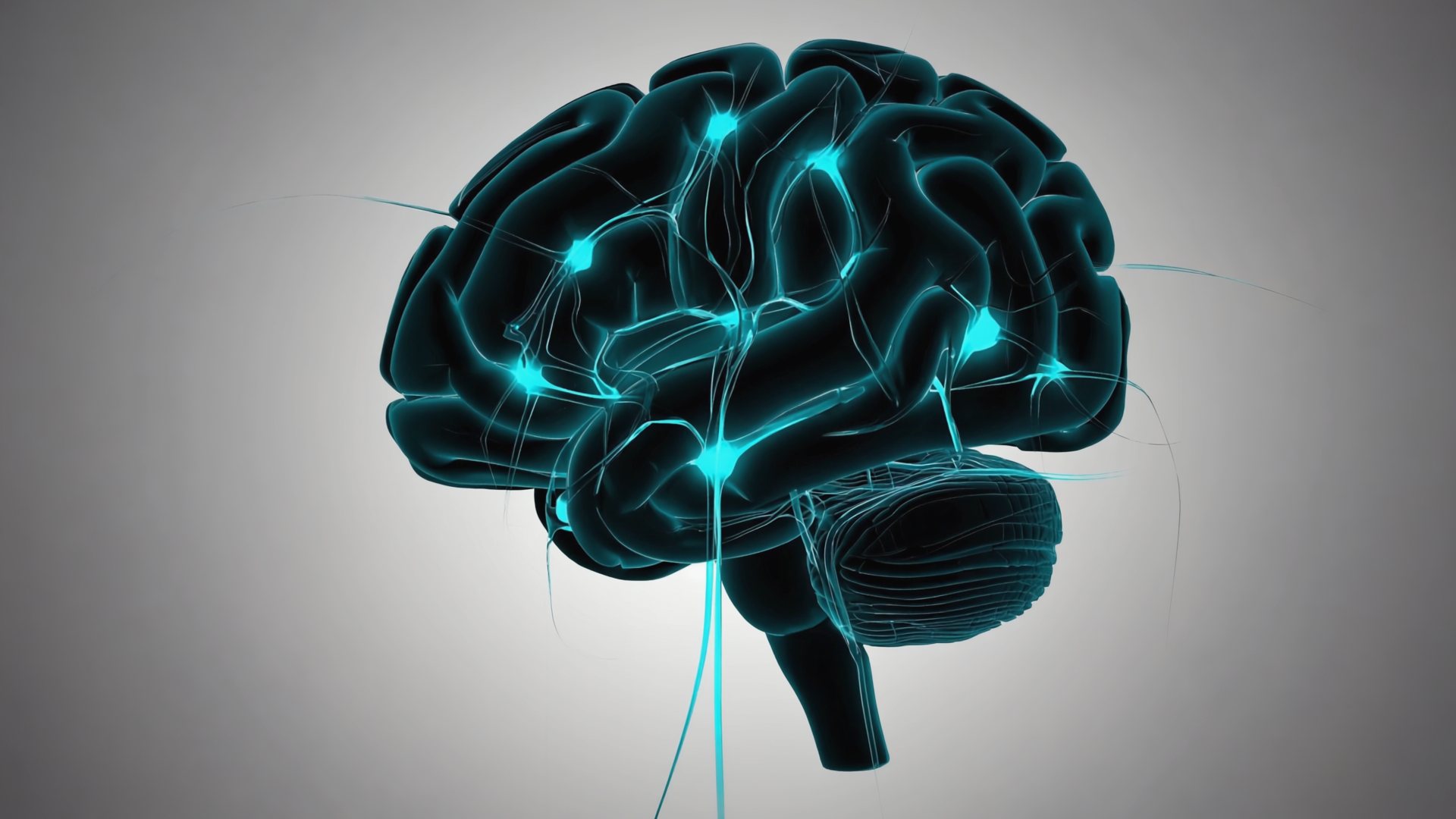
The 256-transducer ultrasound helmet that stimulates a deep brain region through the skull, no surgery
Background knowledge, not confirmed by the retrieved sources, indicates that a UCL/Oxford many-element ultrasound helmet has been used to stimulate a deep brain…
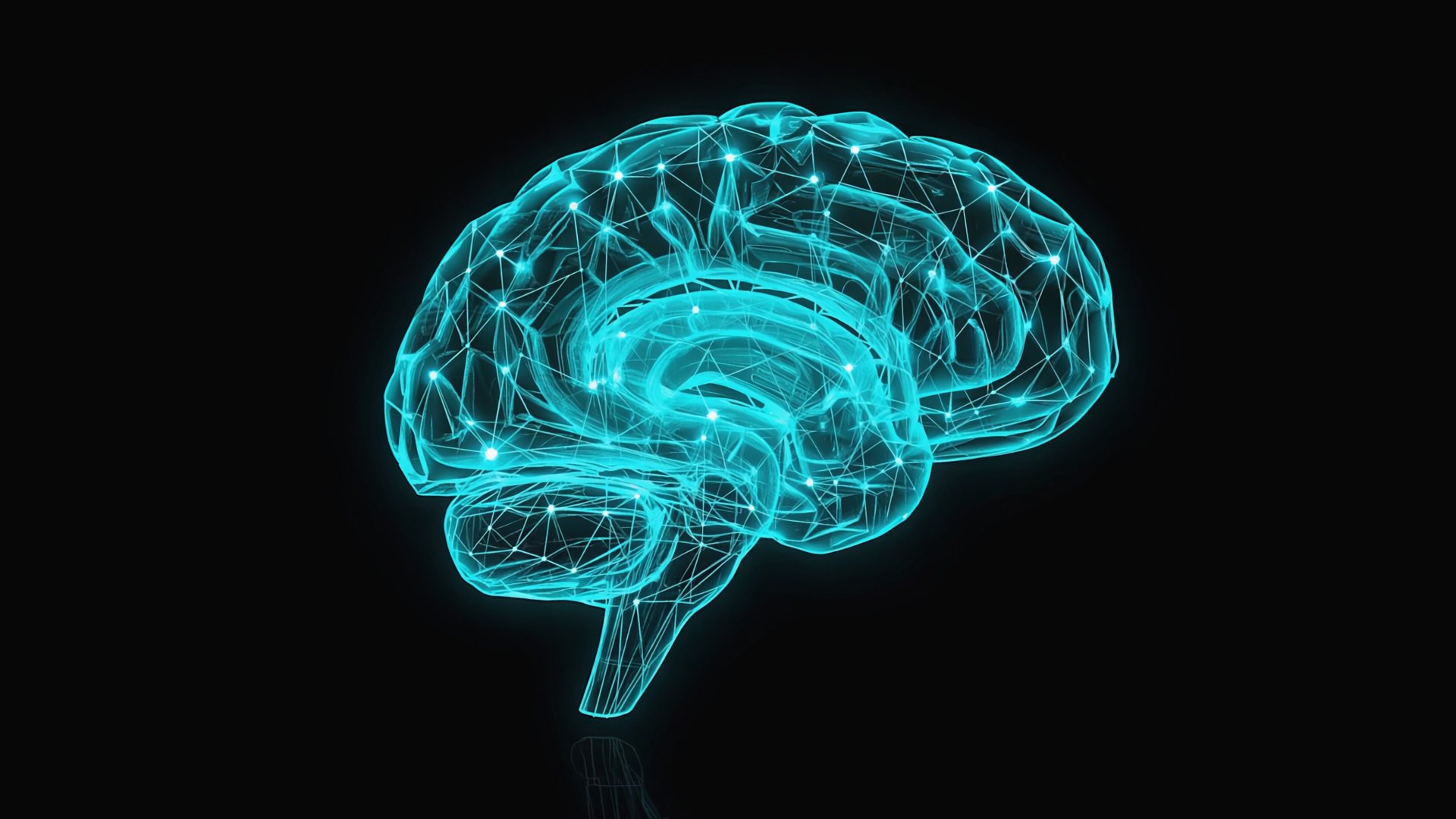
The stretchable mesh implanted into a tadpole embryo that grows into its brain as the brain forms
A soft electrode mesh inserted into the flat neural plate of an amphibian embryo is carried inward by the embryo's own folding and ends up distributed through the brain…
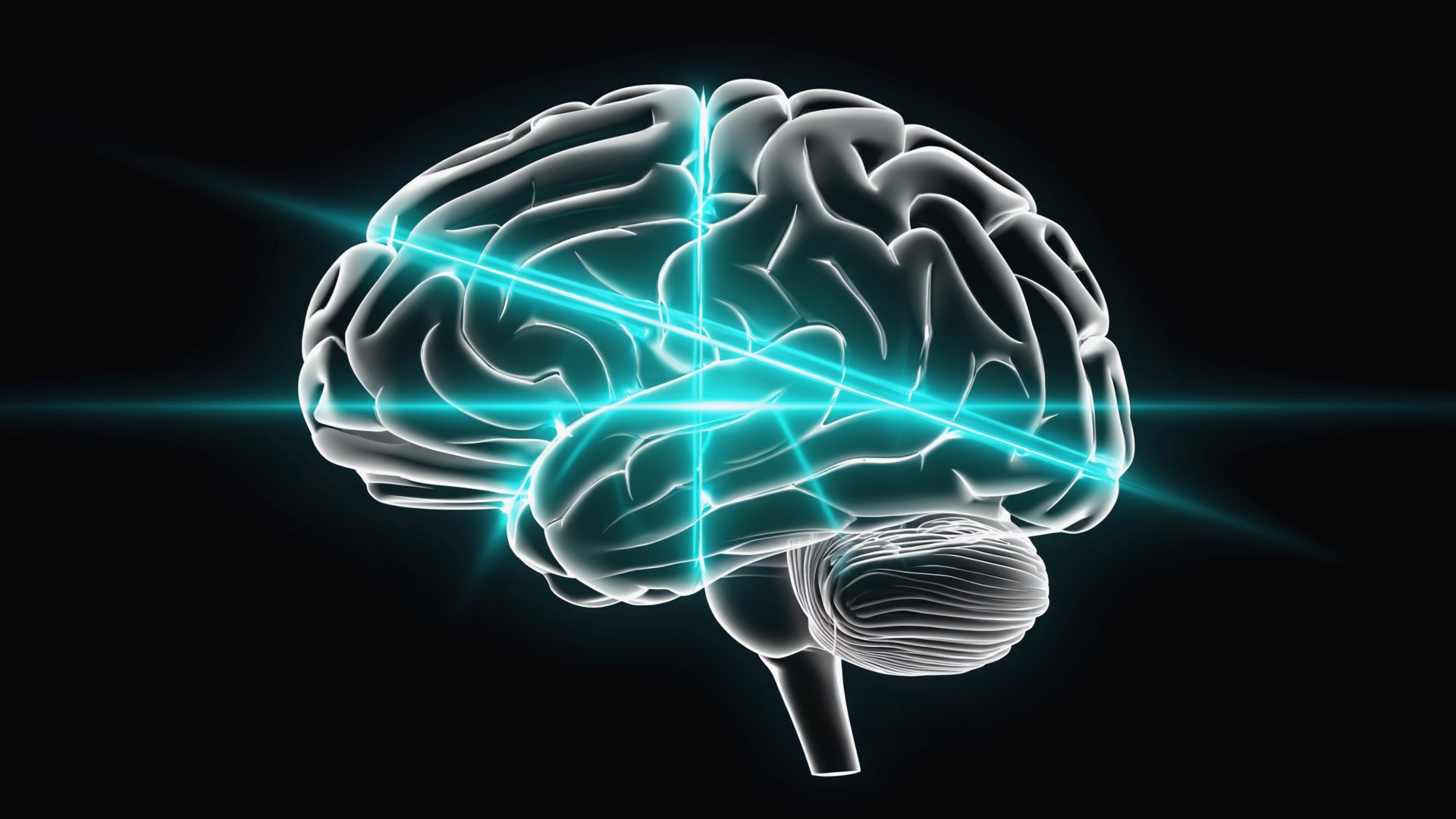
The two crossing electric fields that switch on a deep brain circuit through an intact skull
Temporal interference stimulation (TI) has crossed from animal proof-of-concept to human clinical demonstration in roughly eight years, and the decisive event was…
The Sugar-Coated Electrode That Tricks the Brain Into Not Scarring Over It
The most important finding in this data set is not a breakthrough — it is an absence. Zwitterionic and glycocalyx-mimetic coatings have now been shown to blunt the acute…
The Gel That Grows Its Own Electrodes Inside a Living Brain
The core idea — inject a monomer-loaded gel, let the tissue's own chemistry or a brief electrical bias convert it into a conductive electrode that has already grown…
The Gel Electrode That Assembles Itself Inside Living Tissue
Conducting-polymer electrodes can now be formed inside living tissue from an injected liquid, using the tissue's own chemistry as the trigger, and the field has moved…
Temporal interference: two harmless electric fields crossing inside the skull to reach deep brain
Temporal interference (TI) stimulation has crossed from proof-of-concept into small clinical trials, and the last twelve months are the first in which the clinical…
Recent daily briefings on Neurotechnology
- The brain pacemaker that listens for Parkinson's beta waves and retunes itself: adaptive deep brain stimulation
- The brain implant that decodes silent inner speech, but only after you think a mental password
- The 2-millimeter solar chip under the retina that lets people blinded by macular degeneration read again
- The silk ribbon electrode that shrinks onto a nerve when body heat warms it, no sutures
- The Dye That Makes a Neuron's Voltage Flash in Infrared, Deep Inside a Live Brain
- The Molecule That Makes a Neuron Glow When It Fires — Filmed Through the Skull
Open federal contracts and grants to browse
Open SAM.gov contract notices and Grants.gov opportunities, listed by agency and industry code. Each list covers its whole agency or code, not only Neurotechnology work, so check each official notice before acting. The lists are KPsphere AI ScoutBOT’s free public directory, refreshed nightly.
Follow Neurotechnology in depth
The public reports above are free to read. A subscription adds research on Neurotechnology, not published on the site.
Sector Watch for Neurotechnology
- Four subscriber-only deep-research reports a month on your sector, plus a monthly sector landscape.
- Subscriber-only: this research is written for subscribers and is not published on the site.
- After payment you get an email with a link to choose your sector. Choose Neurotechnology.
Also available: Sector Watch + Custom Reports ($100 a month), Multi-Sector ($250 a month), Full Spectrum ($500 a month). Every plan is described in full on the plans page.
Compare plans
See a sample report first
A sample report, made for the plans page, is free to read in full, so you can judge the depth, the charts and the sourcing before paying for anything.
Neurotechnology research: common questions
Who is funding brain-computer interface research in 2026?
Public funding for brain-computer interface research is recorded in award databases, and those are the records KPsphere reads: NSF awards, federal grants and contracts on USAspending.gov and Grants.gov, NIH RePORTER, UK Research and Innovation projects, and European projects in OpenAIRE. Where a report finds awards on its topic, it names them and links to the award record, so the funder and the amount can be checked at the source.
Where can I find SBIR and STTR awards for brain-computer interface?
SBIR and STTR awards are federal awards, so they appear in the federal award data KPsphere searches, including NSF award records and contracts and grants on USAspending.gov, when they match the topic a report is researching. KPsphere does not query SBIR.gov directly, so for a complete list of one agency's SBIR or STTR awards, SBIR.gov remains the primary source.
Which brain-computer interface startups are raising money?
Public-company activity shows up in SEC EDGAR filings (8-K, 10-K, 10-Q and S-1), and company work shows up in patent filings and federal contract awards. Private funding rounds are largely invisible to open databases, so deep-research reports add a web search for company announcements and keep a result only when it comes with a live source link.
What are the latest brain-computer interface breakthroughs?
The newest public Neurotechnology reports are listed on this page, newest first. The most recent item in this sector was published on Oct 13, 2026. Key findings in each one link to their sources (recent papers and preprints, patents, awards and filings), so a claimed breakthrough can be checked against the published result.
What does KPsphere cover in Neurotechnology?
Coverage includes brain-computer interfaces, implanted and non-invasive, neural implants, neuroprosthetics, neurostimulation, closed-loop neuromodulation, brain mapping, neural decoding, EEG, optogenetics and brain organoids. The research is AI-assisted: AI models search those sources and draft the analysis from them, an automated check tests key claims against the same evidence, and key findings link to their sources.
Is KPsphere's brain-computer interface research free?
Yes. Every report listed on this page is free to read, and so is the daily briefing, one email each morning rotating across all twelve sectors, Neurotechnology among them. The paid Sector Watch plan, $50 a month, adds subscriber-only research on one sector you choose: Four subscriber-only deep-research reports a month on your sector, plus a monthly sector landscape.
All twelve sectors
The same research, one field at a time.
AI & Machine Learning
Model architectures, training methods, inference hardware, AI safety research
28 research reportsQuantum Computing
Qubit platforms, error correction, quantum networking, post-quantum cryptography
29 research reportsBiotechnology
Gene editing, synthetic biology, protein design, biomanufacturing
31 research reportsAdvanced Energy
Batteries, grid storage, fusion, solar, nuclear, hydrogen
28 research reportsSpace Technology
Launch systems, satellites, propulsion, in-orbit manufacturing
32 research reportsCybersecurity
Offensive and defensive tooling, cryptography, critical-infrastructure security
29 research reportsRobotics
Autonomy, manipulation, humanoids, drones, industrial automation
30 research reportsAdvanced Materials
Metamaterials, superconductors, composites, coatings, nanomaterials
28 research reportsNext-Gen Communications
6G, optical networking, satellite comms, spectrum and antennas
30 research reportsNeurotechnology
Brain-computer interfaces, neural implants, neuroimaging, neuromodulation
27 research reportsClimate Technology
Carbon capture, climate modelling, adaptation tech, sustainable materials
27 research reportsSemiconductors & Photonics
Chip fabrication, photonics, packaging, lithography, novel architectures
The daily briefing, in your inbox
One email each morning on a single development in emerging technology, rotating across all twelve sectors, Neurotechnology among them, with the paper, patent or funding award behind it linked. No card, no trial, and one click to unsubscribe.